 Clean Water
Why Underground Concrete Water Storage Tanks?
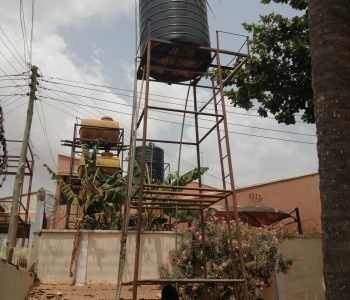
In regions where water is scarce or unreliable, underground concrete tanks are an effective solution for water storage.
They are particularly beneficial in countries with limited water access or where it is essential to save water for future use.
Ghana, India and Kenya are good examples of countries that utilise concrete underground water tanks.
However the use of concrete underground tanks are now getting more widespread usage worldwide.
Concrete underground tanks are frequently used in hotels, apartment complexes, and commercial buildings where water consumption is substantial.
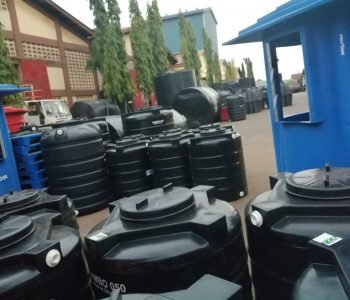
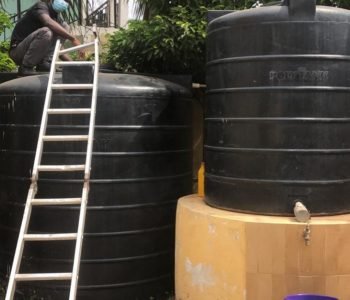
Conversely, the general community often prefers plastic water storage tanks due to their flexible sizing options and ease of placement on various properties.
Why Use Concrete for Underground Water Tanks?
Here are a few reasons why people prefer to use concrete underground tanks to store water.
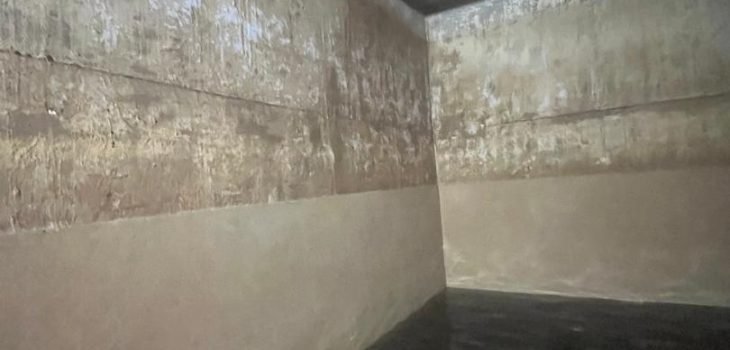
Concrete is exceptionally strong, enabling it to hold large volumes of water without risk of breaking.
Properly constructed concrete tanks prevent water from seeping out, ensuring water retention.
Concrete structures are long-lasting, often remaining functional for many decades with minimal maintenance.
Storing water underground helps manage water supply during dry periods, ensuring availability even when supply is sparse from the water companies.
Underground storage keeps water clean and safe from surface contaminants.
Constructing tanks underground preserves above-ground space, which is valuable in densely populated areas.
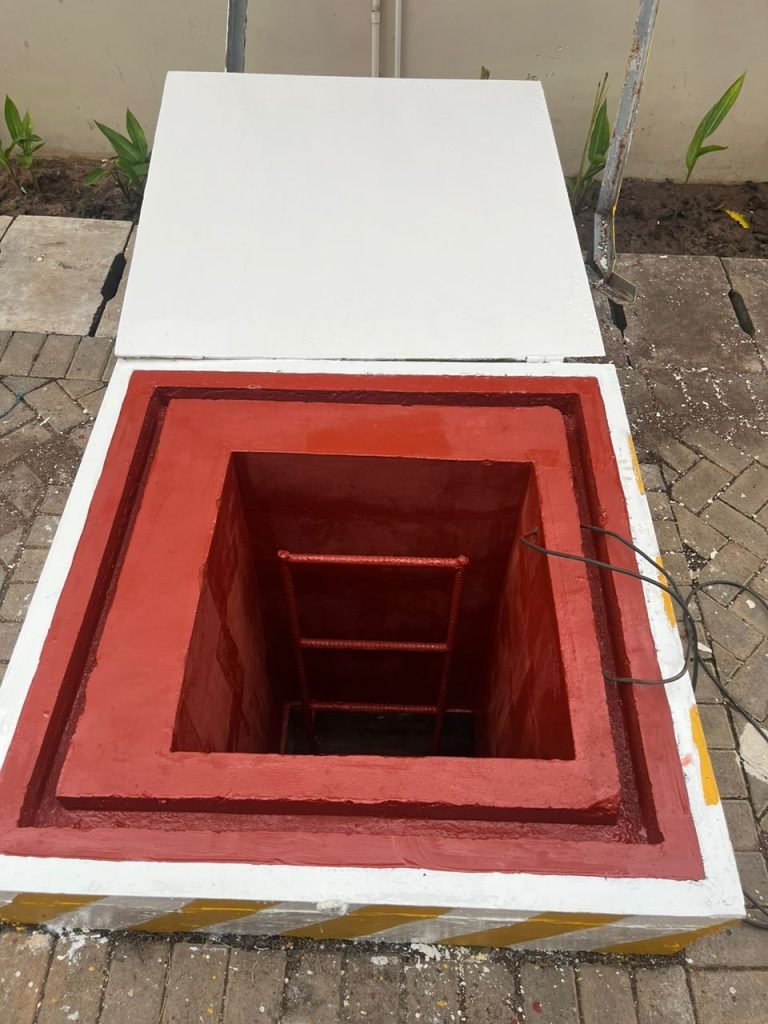
These tanks are usually built under buildings or car parks to further save space with a latch access at ground level.
The ground surrounding the tank serves as insulation, shielding it from extreme temperatures.
Concrete is naturally cool to the touch, providing inherent refrigeration for any liquid stored in the tank.
Common Issues Uncovered During Cleaning of Underground Concrete Tanks
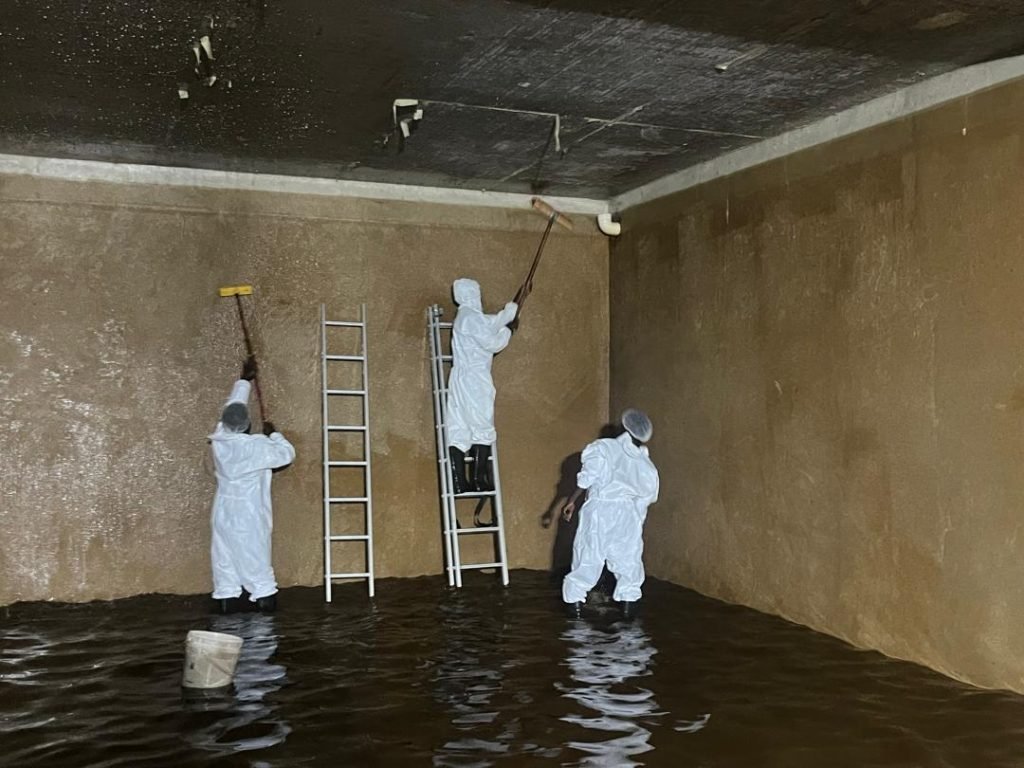
Regular maintenance and cleaning of underground concrete tanks are crucial.
However, this process can reveal potential issues that need to be addressed promptly:
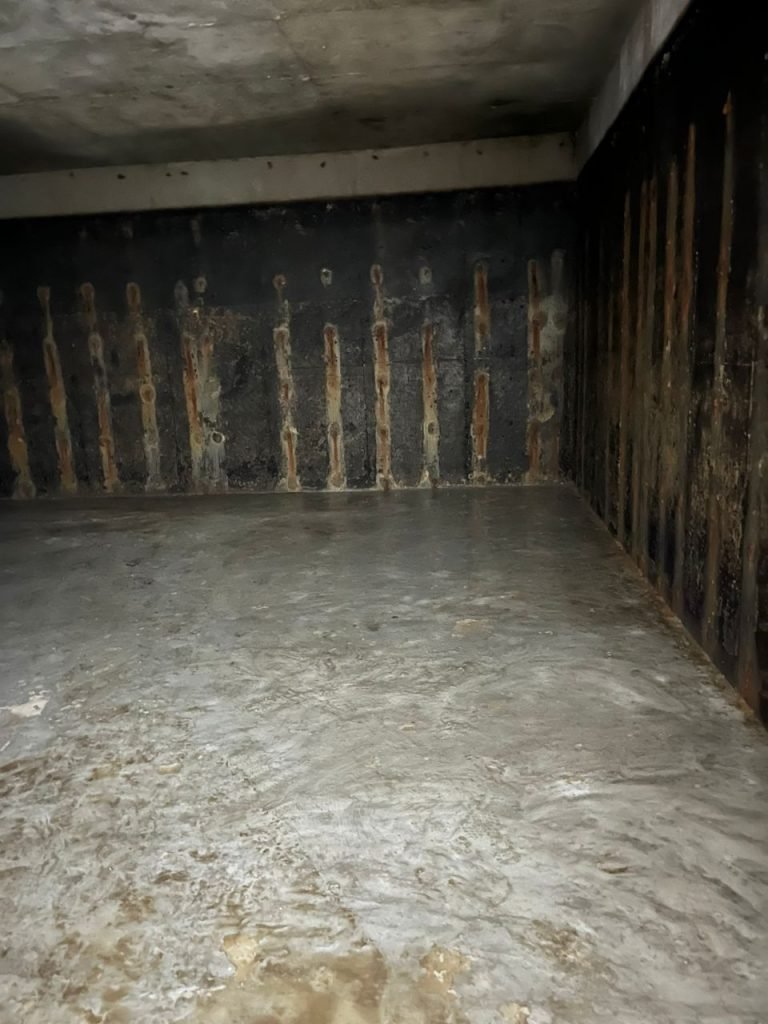
Water seepage may signal cracks in the tank walls, faulty seals around pipes, or high groundwater pressure on the structure.
Cleaning can expose cracks previously filled with debris. These cracks can compromise the tank’s structural integrity and cause leaks.
Over time, pipes may corrode due to mineral deposits or harsh cleaning chemicals, leading to leaks and potential contamination.
Without a proper waterproof coating, water can seep into the concrete, weakening it and affecting water quality.
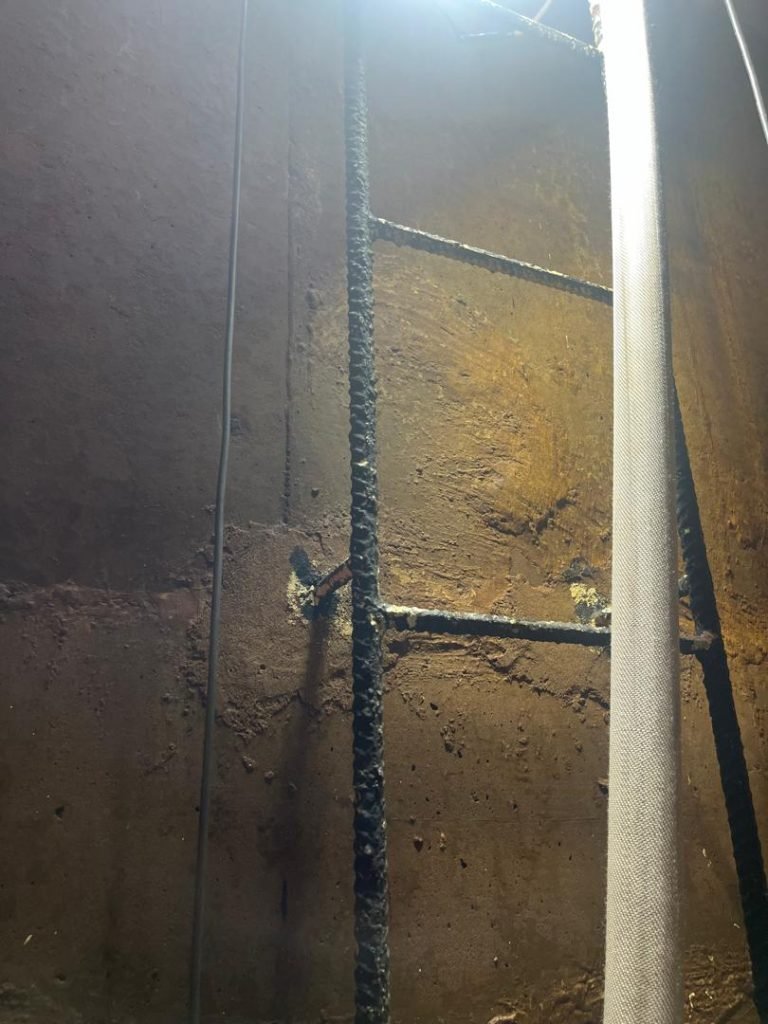
Metal ladders in a damp environment can rust, becoming slippery and unsafe.
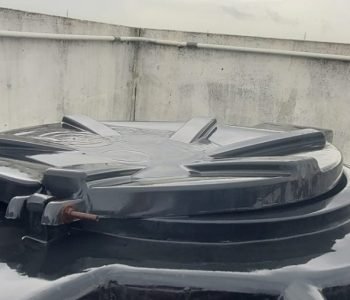
Damaged covers or latches can lead to contamination by allowing debris or pests to enter the tank.
Next Steps for Addressing Issues
If you identify any of these issues in your underground concrete tank, it’s crucial to take action to ensure the tank remains safe and functional.
Avoid compromising the wellbeing of your staff and customers through the use of contaminated water.
Consult a Qualified Inspector who can assess the severity of the problems and suggest appropriate repairs.
If you are based in Accra, Ghana then FF Cleaning Services is on standby to assist.
Hire a professional cleaning companies who have specialised equipment and techniques to clean the tank effectively and safely.
Focus on critical issues such as structural cracks or leaking pipes first to prevent further damage.
By addressing these concerns promptly, you can maintain the longevity and efficiency of your underground concrete tank, ensuring a reliable water supply for years to come.