 Clean Water
7 reasons why you must cover your water storage…
Leaving your water storage tank uncovered can lead to several potential issues: Here are 7 reasons why you must cover your water storage tank
Water storage tanks and underground reservoirs are essential for ensuring a stable water supply in homes, communities, and industries.
Yet, leaving these water sources uncovered can pose serious health and safety risks, compromising water quality and creating breeding grounds for harmful bacteria, insects, and other contaminants.
Here’s a closer look at why covering water storage tanks and underground reservoirs is crucial for health, hygiene, and environmental reasons.
1. Health Risks of Contaminated Water:
An uncovered water tank or reservoir can quickly become a repository for harmful pathogens, leading to potential waterborne diseases.
Contaminants such as bacteria, viruses, and parasites can thrive in uncovered water sources, posing health risks to anyone who consumes or uses the contaminated water.
When these microorganisms enter a water system, they can lead to gastrointestinal issues, infections, and even more severe illnesses if not properly treated.
Covering water storage tanks significantly reduces the risk of microbial contamination, helping maintain safer, cleaner water for drinking, cooking, and other essential uses.
2. Bird Droppings and Animal Waste:
Uncovered tanks are often exposed to bird droppings and other animal waste.
Birds and small animals like squirrels, rats, and bats are naturally attracted to open water sources, leading them to drink from or enter tanks.
Bird droppings contain bacteria and fungi that are harmful to human health, such as *Escherichia coli* (E. coli) and *Cryptococcus*.
When bird droppings or animal waste make contact with stored water, these contaminants can spread throughout the water, rendering it unsafe for human consumption.
A simple cover over the tank can prevent this exposure, blocking animals and their waste from entering the water supply.
3. Insect Infestations and Vector-Borne Diseases:
Standing water in uncovered tanks and reservoirs is an ideal breeding ground for insects, particularly mosquitoes.
Mosquitoes lay their eggs in stagnant water, and an uncovered tank offers a perfect environment for larvae to thrive.
This becomes an even greater health risk in areas prone to mosquito-borne diseases, such as malaria, dengue fever, and West Nile virus.
By covering water tanks, you can effectively prevent mosquito breeding, reducing the risk of vector-borne diseases in your community.
Additionally, covers help keep out other pests, such as flies, beetles, and gnats, which can also contribute to water contamination.
4. Preventing Small Animal Drowning and Decomposition:
In uncovered tanks, small animals often fall in and cannot escape, leading to drowning.
The decomposition of these animals introduces bacteria and foul odours into the water, making it unsuitable for human consumption and use.
When water is stored for extended periods without regular checks, decaying organic matter from drowned animals can severely degrade the quality of the water and lead to complex health problems if consumed.
Adding covers to tanks and reservoirs can prevent these animals from entering the water supply in the first place, thus maintaining water quality and hygiene.
5. Fungal and Algal Growth:
Exposure to sunlight in uncovered tanks can lead to the growth of algae and fungi in the water. Algal blooms can produce harmful toxins that make water undrinkable and dangerous.
Certain types of algae, like blue-green algae, release toxins that affect the liver and nervous system when ingested.
Fungus and algae not only degrade water quality but can also clog pipes and filters, impacting water flow and increasing maintenance costs.
Covering tanks to block sunlight prevents algal and fungal growth, helping to maintain water quality over longer storage periods.
6. Environmental Contamination:
Rainwater can carry pollutants from the air, such as dust, debris, and even acid rain, into uncovered water tanks. Additionally, leaves, twigs, and other debris from surrounding trees or structures can fall into the tank, contaminating the water supply.
The accumulation of debris not only affects the taste and smell of water but also requires more frequent cleaning and maintenance of the tanks.
Covering your tank prevents environmental contaminants from entering, keeping the water cleaner and reducing the frequency of cleaning and filter changes.
This is particularly crucial in industrial or agricultural settings, where water quality directly affects productivity and safety.
7. Safety Risks to People:
Uncovered tanks and reservoirs can also pose a direct safety risk to people, especially children and workers.
Open tanks are potential hazards where people may accidentally slip and fall in, leading to injury or, in severe cases, drowning.
This is particularly concerning in areas where tanks are located at ground level or in unsecured locations accessible to children or community members.
By covering tanks, property owners and facility managers can prevent these dangerous accidents, creating a safer environment for everyone.
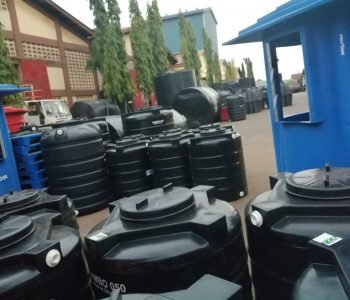
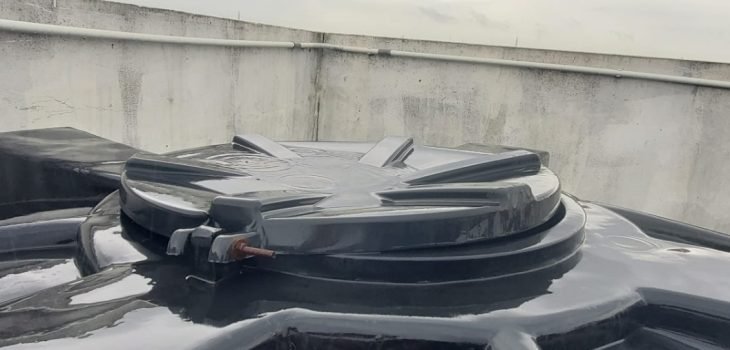
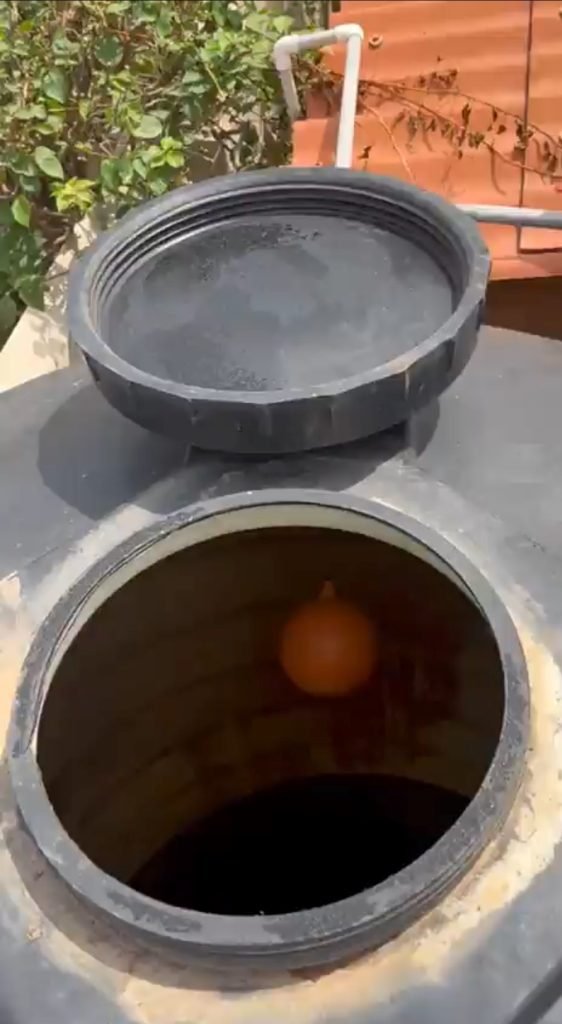
We recommend using a screw over cover and not a lockable cover. The lockable tanks leave a bit of space allowing insects to get in.
Regular maintenance, cleaning, and periodic water testing are also crucial to ensure the water’s safety and quality.